Photo: Pexels/Mikhail Nilov
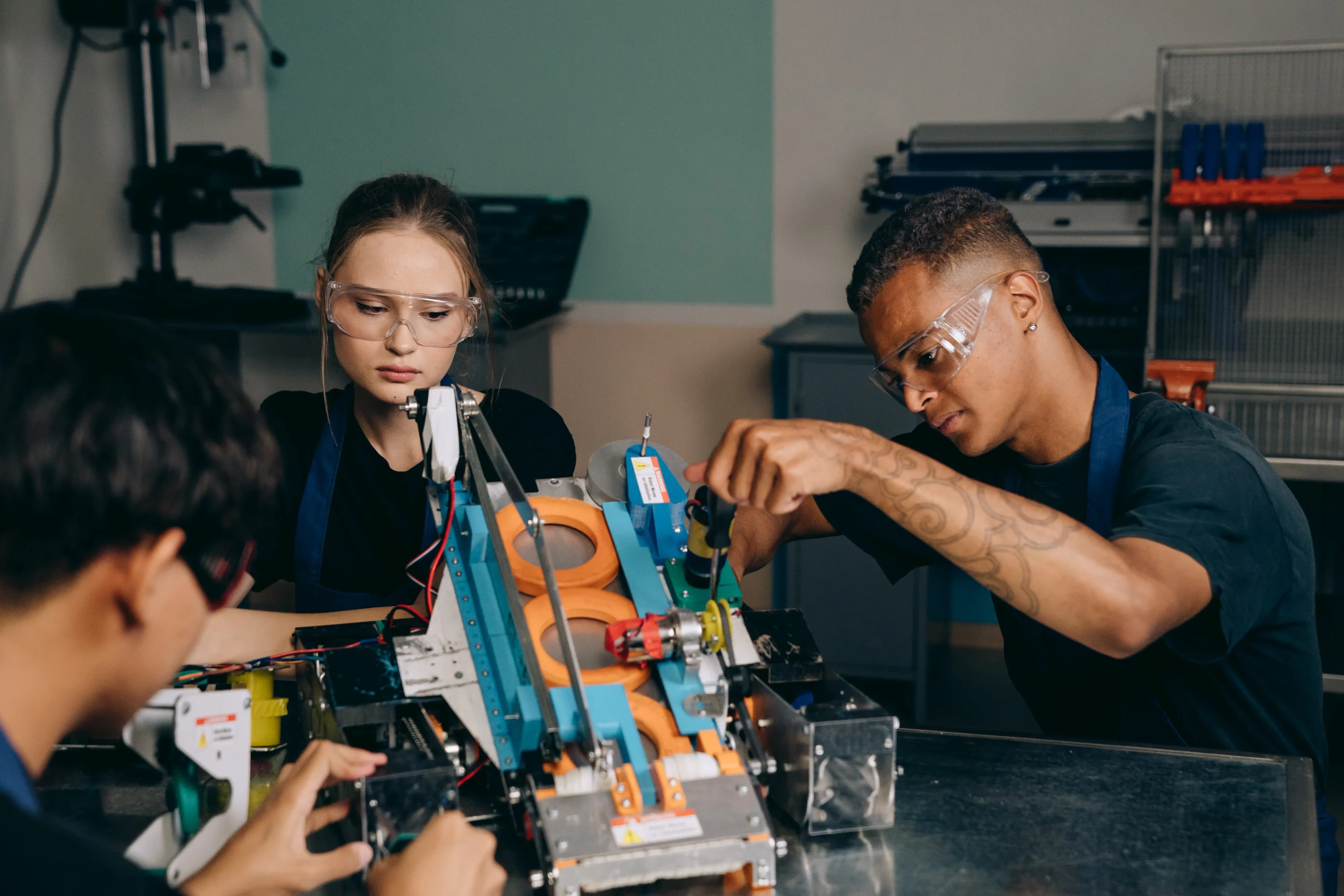
Community and technical colleges across Missouri are expanding short-term certificate programs aimed at training workers for skilled trades and technical fields, responding to sustained employer demand that has outpaced the number of qualified applicants in several industries.
Administrators at multiple two-year institutions across the state say enrollment in technical and workforce-focused programs, ranging from industrial maintenance to advanced welding and machining, has grown steadily over the past several years, even as overall community college enrollment nationally has fluctuated. Officials attribute the growth to a combination of factors, including rising interest in career paths that don't require a four-year degree and active recruitment efforts targeting high school students and adult career-changers alike.
Responding to Employer Demand
"Employers have been telling us for years that they can't find enough qualified workers for skilled trade positions," said a workforce development dean at one of Missouri's larger community colleges. "We've tried to respond by building programs that get students job-ready in a matter of months, not years, without sacrificing the depth of training employers actually need."
Many of these programs are built in direct consultation with regional manufacturers, utility companies, and construction firms, who often provide input on curriculum design and, in some cases, donate or discount equipment used in hands-on training labs. Officials say this close employer involvement helps ensure graduates leave with skills that are immediately applicable on the job, reducing the amount of additional on-the-job training employers need to provide.
Several colleges have also expanded evening and weekend course offerings specifically to accommodate adult students who are working while pursuing a new certification, a growing share of the student population in these programs. Financial aid counselors at multiple institutions report increased interest from adults looking to transition out of jobs affected by automation or industry decline into more stable technical careers.
Certificates as a Pathway, Not a Dead End
Program administrators are careful to note that these shorter certificate pathways are not necessarily a substitute for further education, but rather one entry point among several. Many technical programs are now designed with articulation agreements allowing credits to transfer toward an associate degree, and in some cases toward a four-year technical degree at partner universities, giving students flexibility to continue their education later if they choose.
Students enrolled in these programs describe the appeal as largely practical. "I didn't want to spend four years and take on a lot of debt before I even knew if this was the right career for me," said a student completing an industrial maintenance certificate at a community college in central Missouri. "This let me get into the workforce quickly, and I can always go back for more later if I want to."
State workforce officials say continued investment in these programs will likely remain a priority given ongoing labor shortages in skilled trades, though several college administrators note that funding for equipment upgrades and instructor recruitment remains a persistent challenge, since experienced tradespeople who could teach these courses are often in high demand within industry itself, making it difficult for colleges to compete on salary for qualified instructors.
Related Articles

Mizzou Launches Expanded AI Curriculum Ahead of Fall Semester
The University of Missouri is rolling out a broader set of artificial intelligence courses this fall, part of a campus-wide push to prepare students across disciplines for an AI-influenced workforce.
Read Full Story →
Washington University Sees Growth in Research Funding
Washington University in St. Louis reports a rise in sponsored research funding this year, with growth concentrated in biomedical and environmental science labs.
Read Full Story →
Saint Louis University Opens New Health Sciences Building
Saint Louis University has opened a new facility dedicated to health sciences instruction, adding simulation labs and classroom space for its growing nursing and allied health programs.
Read Full Story →