
Photo: Unsplash/Vitaly Gariev
Students returning to the University of Missouri campus in Columbia this August will find a noticeably different course catalog, as the university expands its artificial intelligence offerings beyond the computer science department and into business, journalism, agriculture, and health sciences programs.
The expansion follows two years of pilot courses that introduced AI literacy modules into a handful of introductory classes. University administrators say the response from both students and employers pushed them to formalize the effort into a broader initiative that touches nearly every college on campus.
"We kept hearing from students that they wanted to understand these tools before they graduated, not after they started their first job," said a program coordinator with the university's academic technology office. "This isn't just about coding anymore. It's about knowing how to work alongside these systems responsibly, whatever field you're in."
New Courses Span Multiple Colleges
The rollout includes a new introductory course, "Foundations of Applied AI," that will be open to students regardless of major, alongside more specialized electives housed within the Trulaske College of Business, the School of Journalism, and the College of Agriculture, Food and Natural Resources. Agriculture students, for instance, will study how machine learning models are being used to forecast crop yields and manage irrigation across Missouri farmland, while journalism students will examine how newsrooms are using AI tools for research and editing while grappling with questions about accuracy and disclosure.
Faculty involved in designing the new curriculum say a central goal is teaching students to critically evaluate AI outputs rather than simply use them. Several departments have also updated their academic integrity policies to clarify expectations around AI-assisted coursework, a topic that has generated ongoing discussion among faculty senates at universities nationwide.
The university is also expanding computing infrastructure to support the new coursework, including additional lab space equipped for machine learning projects. Administrators noted that demand for the pilot AI courses over the past two years consistently exceeded available seats, a signal they say justified the larger investment.
Preparing Students for a Changing Job Market
Career services staff on campus say they have fielded a growing number of questions from students and parents about how AI will reshape entry-level jobs in fields ranging from accounting to graphic design. The university's expanded curriculum is partly a response to that anxiety, aiming to give graduates hands-on experience with the same categories of tools they are likely to encounter in the workplace.
Local employers in Columbia and across the state have also shown interest in the changes. A representative from a regional workforce development group said businesses have increasingly asked whether new graduates arrive with any exposure to AI-assisted workflows, even in roles that aren't explicitly technical.
The university plans to track outcomes from the expanded program closely, including student enrollment patterns and employer feedback, with an eye toward further adjustments in the 2027 academic year. Officials say additional partnerships with Missouri-based technology and agriculture companies are also under discussion, though details have not been finalized.
For now, faculty say the immediate priority is simply getting the new courses running smoothly this fall and gathering feedback from the first cohort of students to experience the expanded offerings firsthand. Advising staff have already begun reaching out to incoming freshmen and returning students to explain how the new electives fit into existing degree requirements, hoping to avoid the kind of registration confusion that sometimes accompanies large curricular changes.
Related Articles

Washington University Sees Growth in Research Funding
Washington University in St. Louis reports a rise in sponsored research funding this year, with growth concentrated in biomedical and environmental science labs.
Read Full Story →
Saint Louis University Opens New Health Sciences Building
Saint Louis University has opened a new facility dedicated to health sciences instruction, adding simulation labs and classroom space for its growing nursing and allied health programs.
Read Full Story →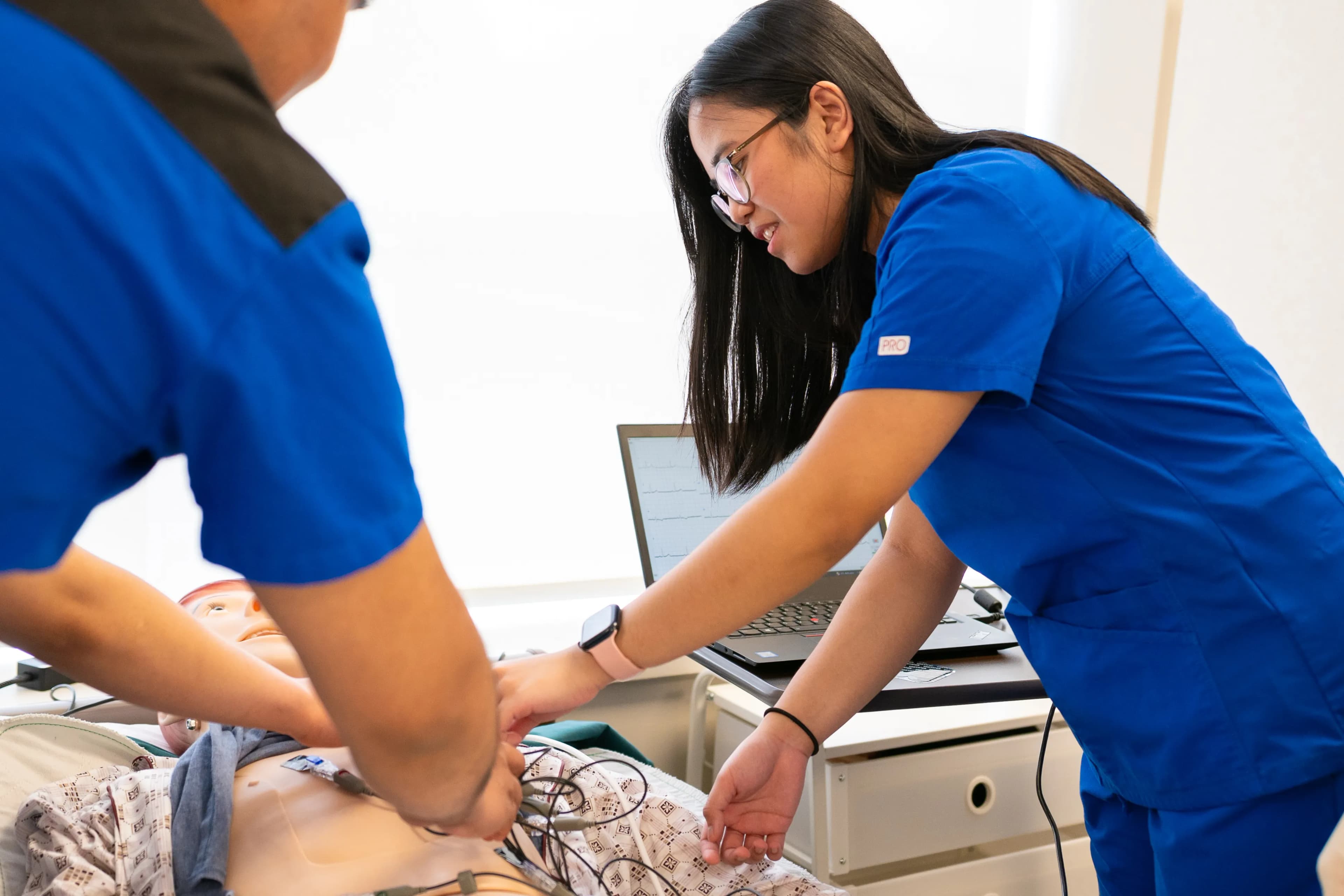
UMKC Expands Nursing Program to Address Workforce Shortage
The University of Missouri-Kansas City is increasing enrollment capacity in its nursing school, aiming to help ease a persistent shortage of registered nurses across the Kansas City metro area.
Read Full Story →