Photo: Pexels/Sahil Singh
The University of Missouri-Kansas City is expanding capacity within its School of Nursing and Health Studies, a move administrators say is a direct response to workforce shortages that have strained hospitals and clinics throughout the Kansas City metro area in recent years.
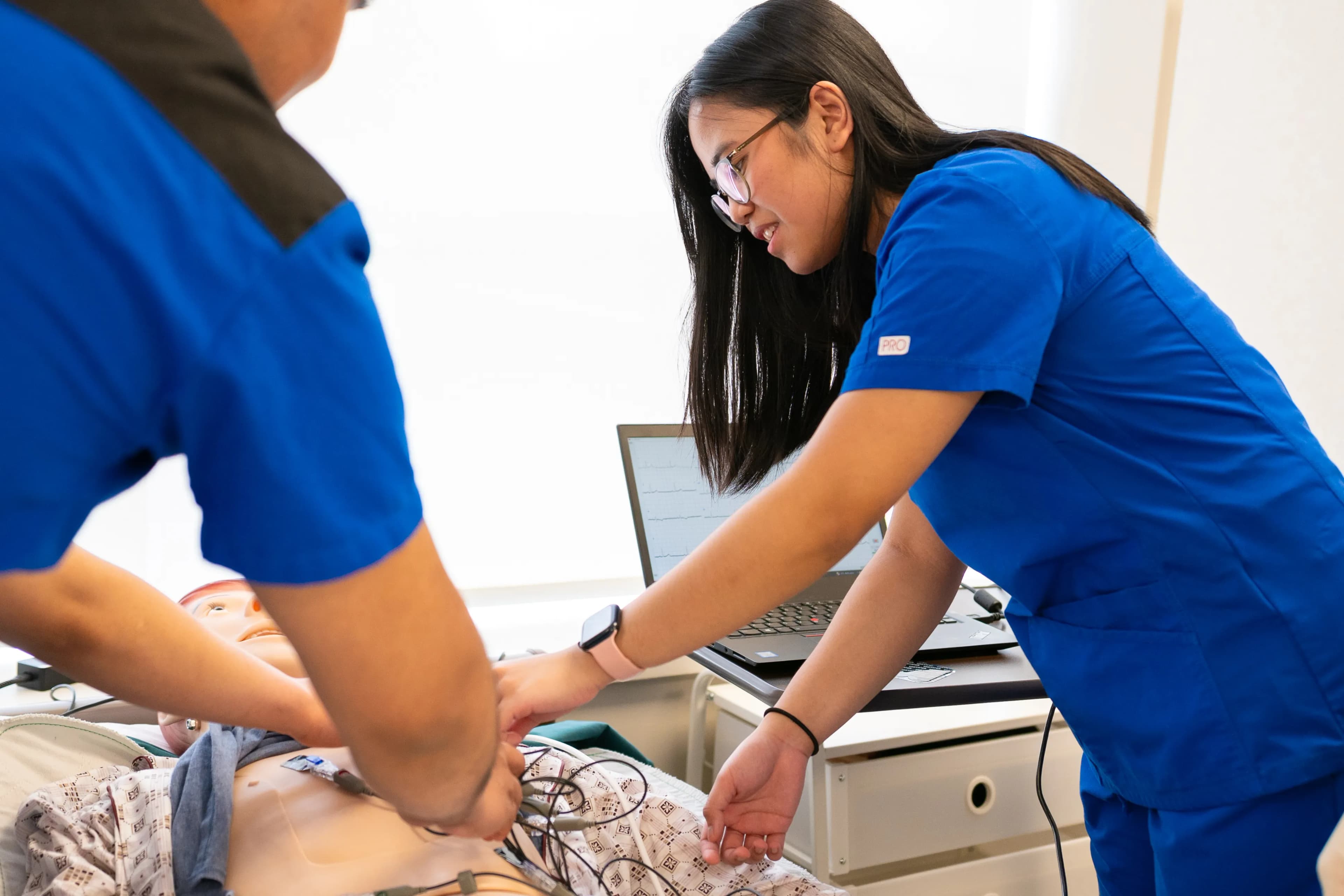
The expansion includes additional faculty hires, an increase in the number of seats available in the school's bachelor of science in nursing program, and new investment in simulation lab equipment used to train students before they begin clinical rotations at partner hospitals. School officials say the changes are meant to chip away at a long-standing bottleneck: even as interest in nursing careers has grown, the number of qualified faculty and available clinical placements has often limited how many students programs could admit.
A Persistent Statewide Shortage
Missouri has faced a well-documented nursing shortage for years, with rural hospitals in particular struggling to keep units fully staffed. Kansas City's larger hospital systems have not been immune either, especially in specialty units such as intensive care and emergency departments, where turnover has remained elevated since the pandemic years.
"We hear from our clinical partners constantly about how badly they need new graduates," said a program director within the nursing school. "Expanding our capacity isn't just about growing the program for its own sake. It's about actually moving the needle on a shortage that affects patient care across the region."
The school has also expanded its accelerated second-degree nursing track, aimed at students who already hold a bachelor's degree in another field and want to transition into nursing more quickly. Administrators say interest in that track has grown substantially, reflecting a broader national trend of career-changers moving into healthcare fields.
Simulation Labs and Clinical Partnerships
New simulation equipment installed as part of the expansion allows students to practice procedures and emergency response scenarios in a realistic but low-stakes environment. Faculty say the added lab capacity has been essential to accommodating more students without diluting the quality of hands-on instruction, which remains a core requirement for nursing accreditation.
The program has also worked to deepen partnerships with area hospitals to secure additional clinical placement slots, a frequent constraint on nursing program growth nationally. Officials say several regional health systems have agreed to expand the number of student placements they can accommodate, though matching placement capacity to enrollment growth remains an ongoing challenge each semester.
Students currently enrolled in the program say the investment is a welcome one. "Our simulation labs were already good, but you could tell they were stretched thin with how many of us were trying to get lab time," said one student in her second year of the program. "Having more space and more sections means less waiting around."
University leaders say they expect enrollment in the nursing program to grow gradually over the next several years as the expanded infrastructure comes fully online, with a particular focus on recruiting students from underrepresented communities in the Kansas City area who may be interested in returning to serve their home neighborhoods after graduation. Officials describe the effort as a long-term commitment rather than a one-time enrollment bump.
Related Articles

Mizzou Launches Expanded AI Curriculum Ahead of Fall Semester
The University of Missouri is rolling out a broader set of artificial intelligence courses this fall, part of a campus-wide push to prepare students across disciplines for an AI-influenced workforce.
Read Full Story →
Washington University Sees Growth in Research Funding
Washington University in St. Louis reports a rise in sponsored research funding this year, with growth concentrated in biomedical and environmental science labs.
Read Full Story →
Saint Louis University Opens New Health Sciences Building
Saint Louis University has opened a new facility dedicated to health sciences instruction, adding simulation labs and classroom space for its growing nursing and allied health programs.
Read Full Story →