Photo: Pexels/RDNE
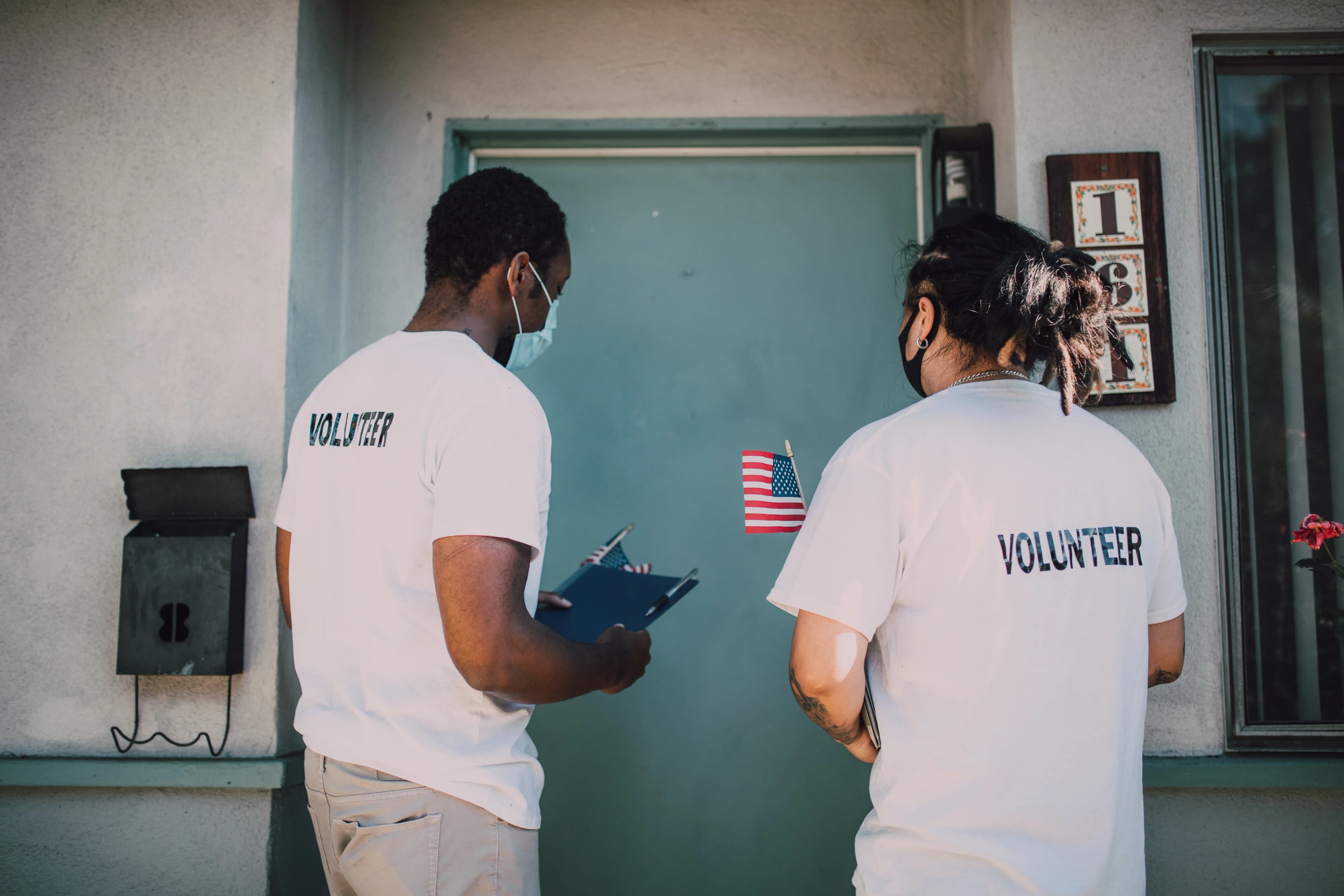
Rockhurst University, a Jesuit institution in Kansas City, has expanded its service-learning curriculum this academic year, adding new community partnerships that give students structured opportunities to combine coursework with direct volunteer service across the metro area.
The program reflects the university's Jesuit mission, which emphasizes service to others as a core part of a well-rounded education, alongside academic rigor. University officials say the expansion was driven both by growing student interest in service-learning courses and by requests from community organizations looking for reliable volunteer partnerships with local institutions.
Coursework Tied Directly to Community Need
Unlike traditional volunteer clubs, Rockhurst's service-learning courses embed community engagement directly into the academic curriculum, with students completing structured service hours tied to specific learning objectives and often required to reflect on the experience through written coursework. Courses span a range of departments, including education, social work, business, and the sciences.
"The idea is that service isn't separate from learning, it's woven into it," said a Rockhurst faculty member who coordinates several of the university's service-learning partnerships. "Students in our education courses might spend time tutoring in an under-resourced Kansas City school, and then bring what they observed directly back into classroom discussions about equity and access."
New partnerships added this year include collaborations with local nonprofits focused on food insecurity, affordable housing, and youth mentoring, organizations that university officials say have historically relied heavily on inconsistent volunteer support. By formalizing partnerships through academic courses, Rockhurst officials say they can offer these organizations more predictable, semester-long volunteer commitments rather than one-off events.
Balancing Academic Rigor With Community Impact
Faculty involved in the program say designing effective service-learning courses requires more than simply assigning volunteer hours. Courses are built around specific reflection assignments and community-identified needs, an approach meant to ensure students are providing meaningful support rather than volunteer work that primarily benefits their own resume.
"We're very intentional about not treating community partners as just a backdrop for student learning," said the program coordinator. "The partnership has to work both ways, or it isn't sustainable."
Students who have completed service-learning courses describe the experience as different from typical volunteer work. "It wasn't just show up and help out for a few hours," said a junior nursing student who worked with a community health partner through one of her courses. "We had ongoing conversations about the systemic issues behind the problems we were seeing, which made the experience feel a lot more meaningful."
University leaders say they plan to continue expanding the program's community partnerships in the coming years, with particular attention to sustaining relationships long-term rather than constantly rotating to new organizations. Officials describe the approach as central to the university's broader institutional identity, framing service-learning not as an add-on program but as an expression of the university's underlying educational philosophy.
Related Articles

Mizzou Launches Expanded AI Curriculum Ahead of Fall Semester
The University of Missouri is rolling out a broader set of artificial intelligence courses this fall, part of a campus-wide push to prepare students across disciplines for an AI-influenced workforce.
Read Full Story →
Washington University Sees Growth in Research Funding
Washington University in St. Louis reports a rise in sponsored research funding this year, with growth concentrated in biomedical and environmental science labs.
Read Full Story →
Saint Louis University Opens New Health Sciences Building
Saint Louis University has opened a new facility dedicated to health sciences instruction, adding simulation labs and classroom space for its growing nursing and allied health programs.
Read Full Story →